Debugging Communication Range
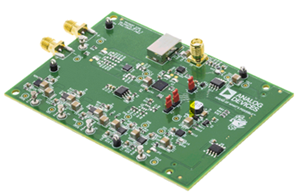
Texas InstrumentsIn a RF system having the best possible range is important in many cases. There are many factors that can cause poor range. This application report provides a step-by-step guide on which parts of the design could cause shorter range than desired.
Predictive Maintenance in Smart Meters Using Real-Time Monitoring
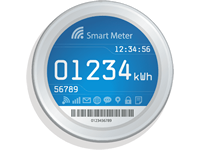
Texas InstrumentsResidential smart meters are used for billing of electricity, gas, water, and heat. The technological advancements in these smart meters are being driven by the demand from utility companies to create a smarter and more efficient grid aimed at reducing non-revenue losses. More sensors are being added to collect more data about the status of the grid including pressure, temperature, etc. There is also a growing trend to incorporate higher precision measurements with newer technologies, such as ultrasonic flow measurements, which often end up adding to the overall complexity, reliability, and power consumption. These meters are also often part of radio-frequency (RF) communication networks that can draw a variable amount of power from the system depending on the required output power of their signal.

Thermal Considerations for Designing a GaN Power Stage
Texas InstrumentsThermal design is an important consideration in any power electronic converters. An optimized thermal design enables engineers to use GaN in a wide range of power levels, topologies, and applications. This application note discusses the most important tradeoffs and considerations for TI’s LMG341XRxxx GaN power stage family, including guidance for PCB layout, thermal interface, heat sink selection and mounting methods. Examples of designs using 50-m Ω and 70-m Ω GaN devices will also be provided.